Cutefly: A Cute Handwritten Font for Creative Projects
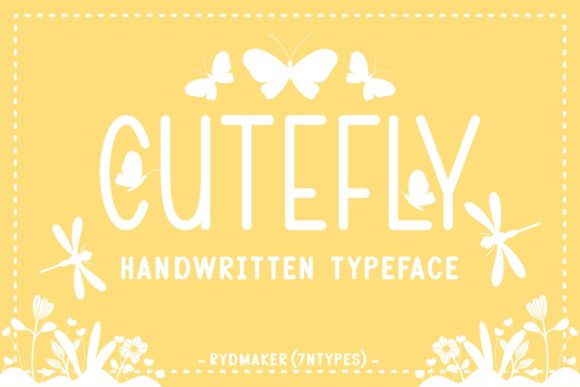
It was a quiet afternoon, and I found myself staring at a blank brand board, trying to figure out how to give a new boutique coffee shop a fresh visual identity. The client wanted something warm, approachable, and a little whimsical—something that felt personal. That’s when I pulled up Cutefly, a cute and thin lettered handwritten font, and immediately knew it had potential.
What Is Cutefly?
Cutefly is a premium font that leans into the charm of handwritten script with a soft, delicate touch. Its letters are light, flowing, and slightly irregular, giving it an organic feel that feels like it was written by hand rather than designed on a screen. The font is PUA encoded, which means you can access all the glyphs and swashes without needing special software or plugins. This makes it easy to experiment with different styles and variations directly in your design tools.
Its personality is playful yet refined, making it ideal for brands that want to convey a sense of warmth, creativity, and individuality. It doesn’t scream attention, but it catches the eye in a subtle way that works well in logos, headlines, and other display applications.
Testing Cutefly in Real Branding Work
I started by testing Cutefly on a logo concept for the coffee shop. The font’s thin strokes and gentle curves gave the brand a soft, inviting vibe that matched the client’s vision. I paired it with a simple sans serif for the tagline, which helped balance the script’s delicacy with a more structured look. The result was clean, modern, and visually cohesive.
Next, I tried it on a packaging mockup. The font looked great on product labels and signage, adding a handmade quality that felt authentic. On a business card, it stood out without being overwhelming, and on a website header, it provided a nice contrast to the body text. In social media graphics, it worked well as a headline or caption, offering a friendly and approachable tone.
One thing I noticed was that Cutefly really shines when used in short phrases or as a highlight. It’s not the best choice for long paragraphs, as the thin strokes can become less readable at smaller sizes. But for logos, headlines, and decorative elements, it’s a solid choice.
When to Use Cutefly
Cutefly is best suited as a display font or accent typeface. It excels in logo design, where its unique character can make a brand stand out. It also works well in editorial design, such as magazine covers or poster titles, where a bit of personality is needed without sacrificing clarity.
For commercial design assets like packaging, product labels, and signage, Cutefly adds a personal touch that can elevate a brand’s visual identity. However, it’s important to test it in different sizes and contexts to ensure it remains legible and effective.
When working with clients, I always recommend using Cutefly in combination with other fonts to create visual balance. Pairing it with a serif or sans serif font helps maintain hierarchy and readability while still allowing the script to shine where it matters most.
Limitations and Considerations
While Cutefly is a versatile and appealing font, it’s not a one-size-fits-all solution. It may not be the best choice for formal corporate branding, where a more traditional or neutral typeface might be preferred. Similarly, it’s not ideal for use in small text sizes or long blocks of copy, as the thin strokes can make it harder to read.
Before using Cutefly in client work, I always suggest testing it in the specific context where it will be used. This includes checking how it looks on different backgrounds, in various sizes, and alongside other design elements. It’s also important to review the font’s licensing terms to ensure it’s suitable for commercial use, especially if it will be included in templates, merchandise, or print-on-demand products.
Final Thoughts on Cutefly
Cutefly is a great addition to any designer’s toolkit, especially for projects that require a touch of personality and warmth. Its cute, thin, and handwritten style makes it perfect for creative branding, and its PUA encoding gives users full control over its features. Whether you’re working on a café identity, a skincare brand, or a handmade shop, Cutefly offers a unique visual language that can help set your designs apart.
As with any font, the key to using Cutefly effectively is understanding its strengths and limitations. When used thoughtfully, it can add a charming and memorable element to your design work, helping to create a stronger emotional connection with your audience.